Traditional Tea Ceremony
in Shanghai, China
Duration
2 hours
Group Size
1–6 people
Best Time
Morning (9–11 AM) or late afternoon (3–5 PM)
What You'll Experience
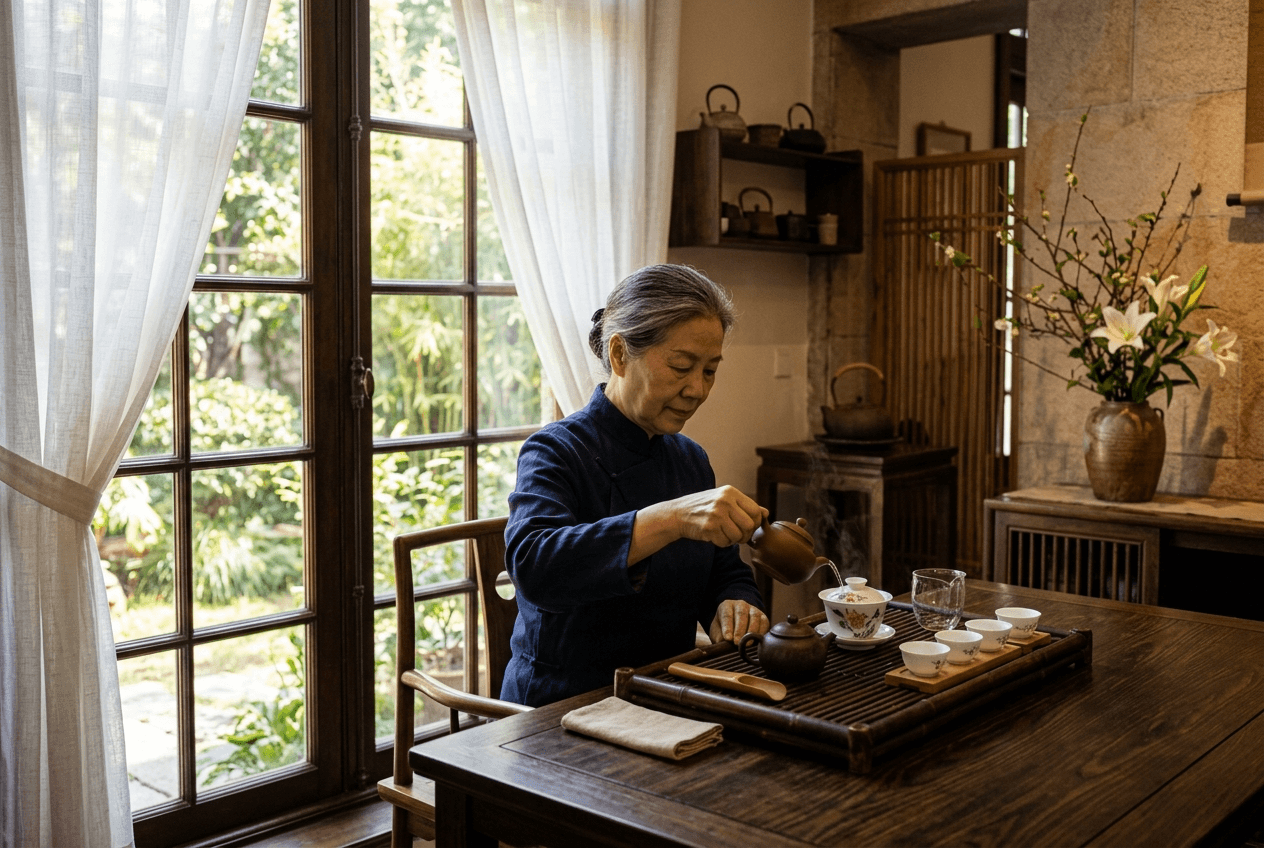
In the heart of the French Concession, behind a wooden gate that looks like every other wooden gate, there is a teahouse that has been in the same family for three generations. The matriarch, now 70, trained under a Taiwanese tea master in the 1980s when gongfu cha was considered a relic; today it is a practice she teaches to anyone willing to slow down long enough to learn it. The ritual begins with water: temperature, mineral content, vessel. Then leaf: shape, provenance, processing method, the story of the farmer who grew it. Six varieties, six infusions each — you taste how a Longjing opens up by the fourth steeping, how a Wuyi rock oolong develops a minerality that stays with you for half an hour after the last sip. Your companion translates the master's words into English without simplifying them — because the ideas themselves are worth grappling with.
Highlights
- Taste six varieties of Chinese tea from six different growing regions
- Learn gongfu cha technique — the multiple-infusion brewing method used in serious tea culture
- Understand how altitude, soil, and processing shape flavor in ways that parallel wine
- Experience the meditative quality of a slow, silent pour in a traditional setting
- Leave with a small curated tea selection and handwritten tasting notes
What's Included
- All tea varieties and traditional brewing equipment
- Third-generation tea master as host
- Companion for translation and cultural context
- Traditional tea snacks (osmanthus cake, lotus seed paste)
- Take-home tea sample and handwritten notes
Meeting Point & Area
A traditional teahouse in the French Concession, Xuhui district, a 6-minute walk from Hengshan Road subway station (Line 1). Address confirmed after booking.
Why Book with iGo2China
Shanghai has many tea ceremony experiences marketed at tourists — most involve expensive tea pushed for purchase and a performance designed to impress rather than teach. This is a genuine lesson in a working teahouse, with a master who has no commercial motivation beyond sharing something she loves.
Why a Shanghai tea ceremony belongs on your itinerary
A traditional tea ceremony in Shanghai is one of the few experiences in the city that asks you to slow down. The French Concession teahouse we work with has been in the same family for three generations. The matriarch, now in her 70s, trained under a Taiwanese tea master in the 1980s when gongfu cha was still considered a relic of the old world. Today she teaches the practice to anyone willing to spend two hours treating tea as seriously as the rest of the world treats wine.
Most teahouses in Shanghai serve tea. A few teach the ceremony. Almost none translate it. With a local companion handling translation in real time, you get the master's actual ideas — not a simplified tourist version.
What gongfu cha is and how the ceremony works
Gongfu cha (功夫茶) is a multiple-infusion brewing method that uses a small clay pot, a tasting cup, and short steeping times to extract distinct flavors from each pour. The same leaves are brewed five to seven times, and each infusion tastes different. A young Longjing opens up by the fourth steeping. A Wuyi rock oolong develops a stone-fruit minerality that lasts on the palate for half an hour after the last sip.
Your two-hour session covers six teas from six growing regions: a green (typically Longjing or Anji Bai), a white (Bai Mu Dan), a yellow (Junshan Yinzhen), an oolong (Tieguanyin or a Wuyi rock variety), a black (Keemun), and an aged pu'er. The master pours, talks, and asks questions. Your companion translates the ideas worth grappling with — the relationship between altitude and amino acid content, why processing matters more than provenance, what 'minerality' actually means.
What's included
From $30 per person, the ceremony includes all six tea varieties and the traditional brewing equipment, the master's instruction throughout, your English-speaking companion for translation and cultural commentary, handwritten tasting notes, and a small curated tea selection to take home. There are no upsells on the day.
Where the ceremony happens
The teahouse is in the heart of the French Concession, a 5-minute walk from Shanxi South Road subway station (Lines 1, 10, 12). The exact address is shared after booking — the teahouse is behind a wooden gate that looks like every other wooden gate, which is part of the appeal. Your companion meets you at the subway exit and walks you in.
Best time of day and year
Afternoon sessions (2 PM–4 PM) work best. The light through the teahouse's lattice windows is at its softest, and the master's energy and patience peak after lunch. Morning sessions are also possible.
Any season suits the tea ceremony — different teas come into focus at different times of year. Autumn (September–November) is particularly good because new harvest oolongs are arriving.
Who this is for
Tea drinkers, but not only. Most guests have never tasted more than a teabag. The ceremony works equally well for absolute beginners, casual drinkers, and serious tea enthusiasts — the master adjusts the depth based on the questions you ask. Couples and small groups (2–6 people) work especially well; the conversation around the table becomes part of the experience.
What to wear and bring
Comfortable clothes, nothing fragrant (perfume disrupts taste). Bring a notebook if you take notes. The teahouse is climate-controlled year-round. No prior knowledge required.
Combining with other Shanghai experiences
The tea ceremony pairs naturally with a French Concession architecture walk in the morning (the same neighborhood, before the heat), a xiaolongbao cooking class on a different day, or a Bund evening for contrast — the deliberate slowness of the ceremony followed by the spectacle of the modern skyline produces a useful tension that many guests describe as the trip's highlight.
Frequently Asked Questions
How much does a Shanghai tea ceremony cost?
From $30 per person for a 2-hour session covering six teas. Includes equipment, master's instruction, English translation, handwritten notes, and a curated tea selection to take home.
How long does a tea ceremony take?
About 2 hours. Each of the six teas is brewed multiple times using the gongfu cha method, with discussion in between.
Where is the tea ceremony held?
In a third-generation family teahouse in Shanghai's French Concession, a 5-minute walk from Shanxi South Road subway station (Lines 1, 10, 12). The exact address is shared after booking.
Do I need experience with Chinese tea?
No. The master adjusts the depth based on your questions. The ceremony works for absolute beginners and serious tea enthusiasts alike.
What teas will I taste?
Six varieties from six growing regions: green (Longjing or Anji Bai), white (Bai Mu Dan), yellow (Junshan Yinzhen), oolong (Tieguanyin or Wuyi rock), black (Keemun), and aged pu'er.
Can I buy the tea I taste?
Yes. The master keeps a small selection of each variety for purchase. Prices range from ¥80 to ¥1,200 per 50g depending on grade and provenance.
More Experiences in Shanghai
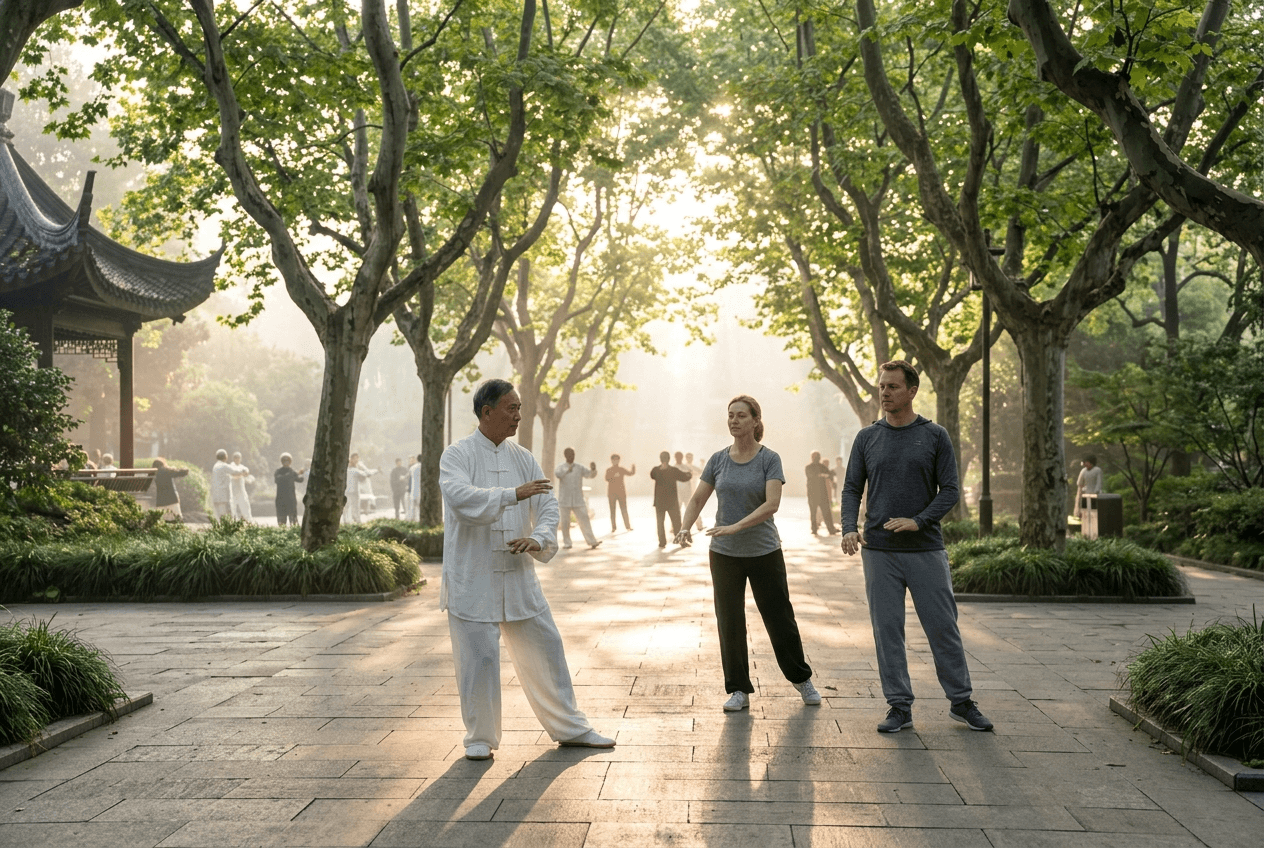
Tai Chi in the Park
Morning tai chi at Fuxing Park with local practitioners — Daoist philosophy meets Shanghai's tree-lined boulevards.
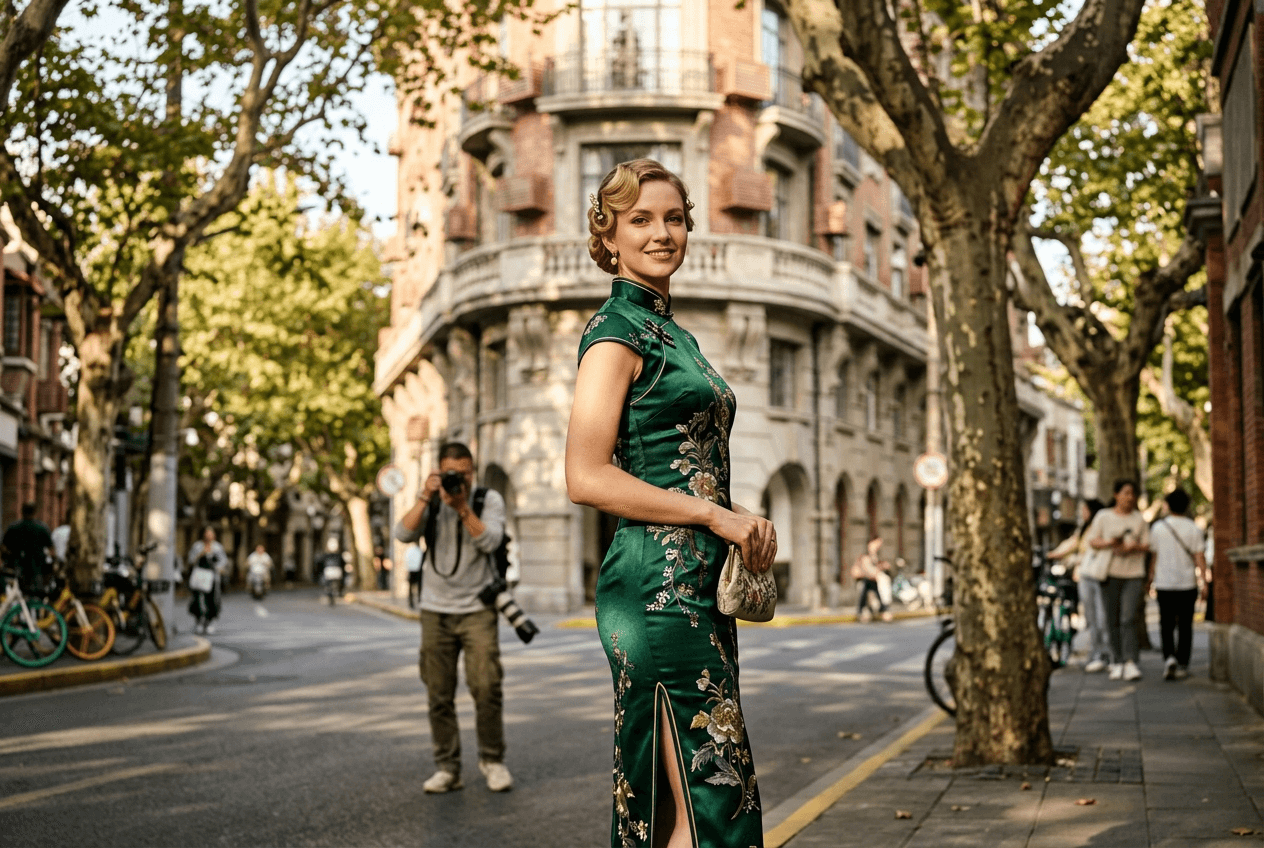
Qipao Photoshoot & Culture
More than just photos — learn about Zhang Ailing, women's liberation, and qipao craftsmanship at the Bund.
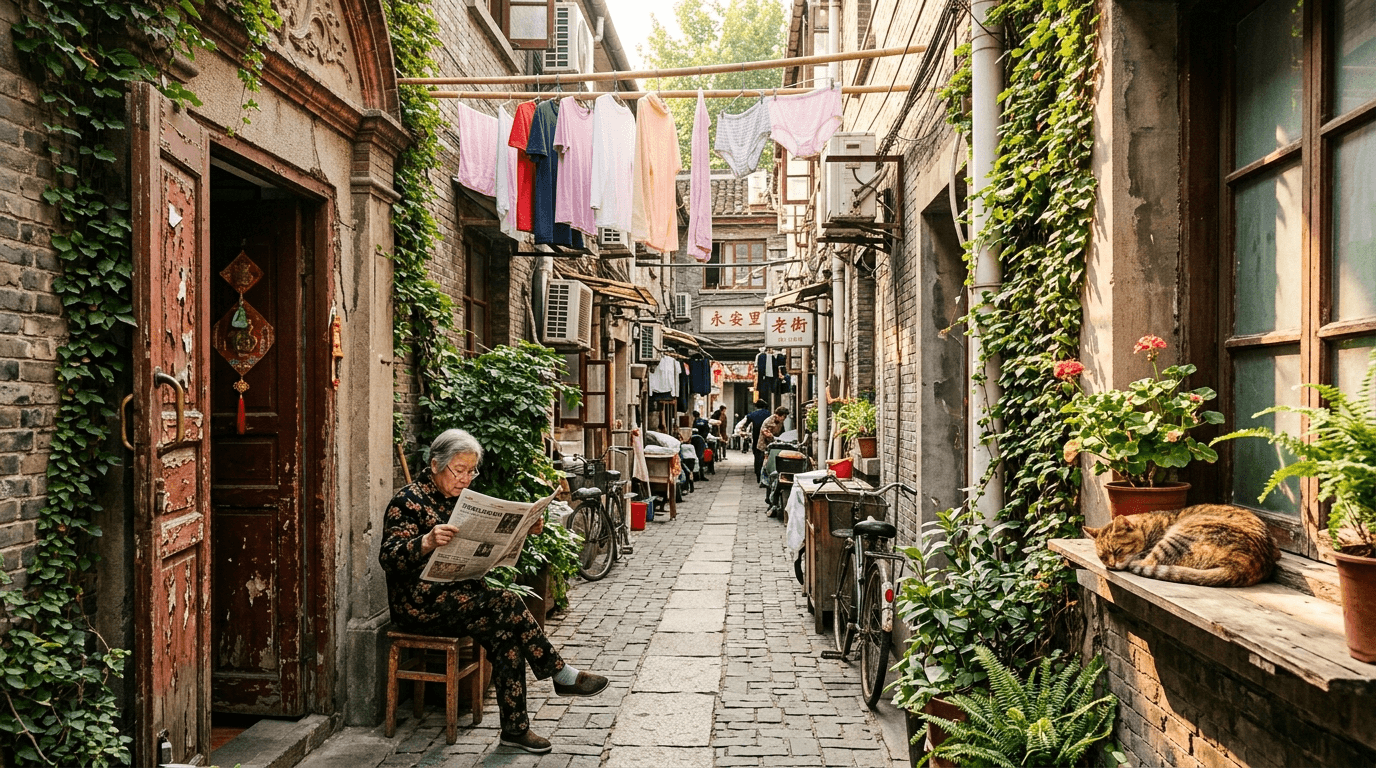
Longtang Lane House Walk
Duck under laundry lines into Shikumen lane houses — community kitchens, neighborhood gossip, and 阿大葱油饼.
Before you fly: every foreign traveler needs a China Arrival Card. If you don't qualify for visa-free entry, see the COVA visa application guide.
Ready to experience Traditional Tea Ceremony?
A local companion will handle everything — you just show up and enjoy.
Book Now