Robotaxi & Tech Tour
in Beijing, China
Duration
45 minutes–1 hour
Group Size
1–4 people
Best Time
Afternoon (1–5 PM, when AV fleets are most active)
What You'll Experience
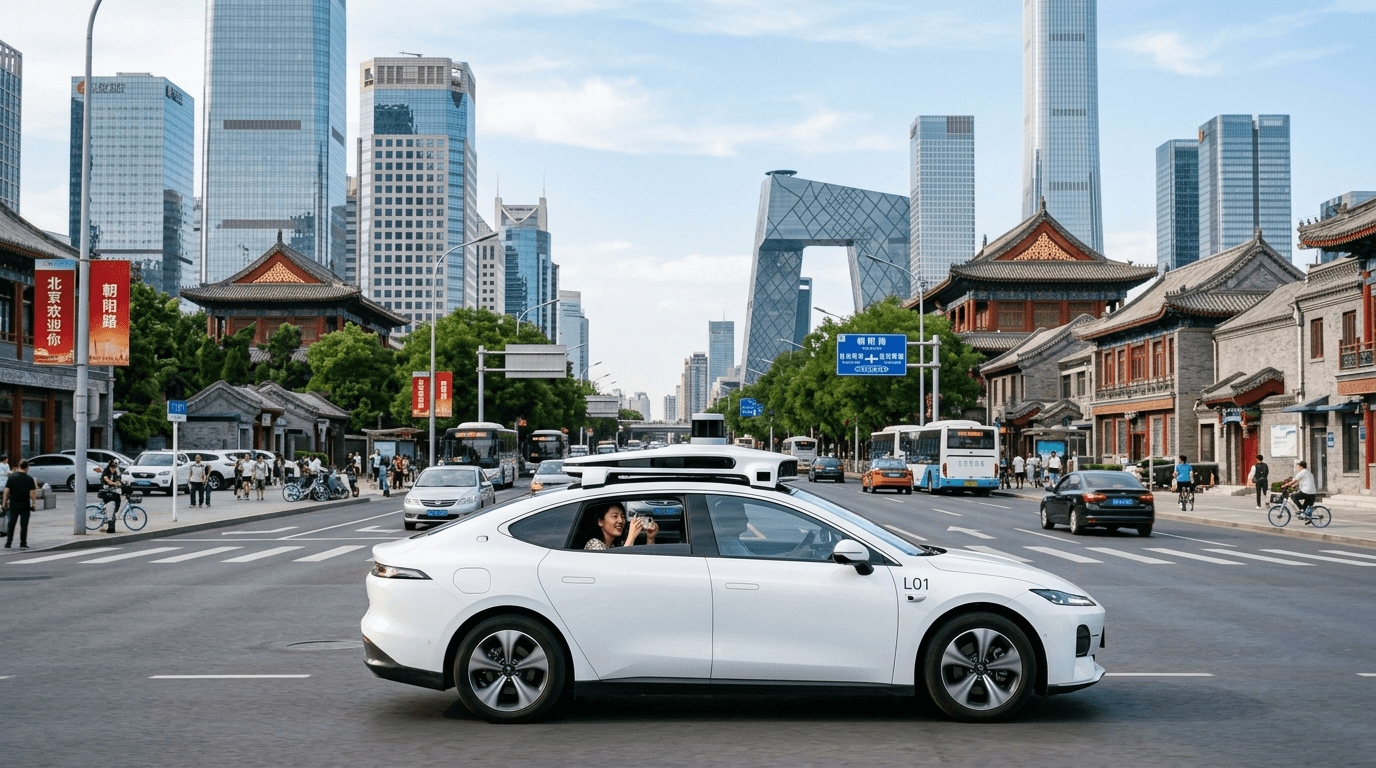
Somewhere in Beijing, right now, a Baidu Apollo robotaxi is gliding through an intersection with no one in the driver's seat. No hands on the wheel. No foot near the pedal. Just a car making decisions at 60 km/h using sensors that see in every direction simultaneously. This is not a test — it is commercial service, operating 24 hours a day in designated Beijing districts. Your companion helps you download the Luobo Kuaipao app, hail a fully autonomous vehicle, and take a ride you'll be describing to people for years. En route, they explain how China's approach to AV deployment differs from Western regulatory caution — pragmatic, scaled, moving fast. The fare for the ride itself is less than a cup of coffee. The experience of sitting in a driverless car navigating real Beijing traffic, pedestrians, cyclists, and all — is priceless.
Highlights
- Hail and ride a fully driverless Baidu Apollo robotaxi — no safety driver
- Watch the steering wheel turn, brakes apply, and decisions execute with no human input
- Companion sets up the Luobo Kuaipao app on your phone for future rides
- Learn about China's autonomous vehicle regulatory framework and why it's moving faster than the West
- Optional: combine with a visit to a Xiaomi or NIO showroom for a full China Tech Tour
What's Included
- App setup and account creation assistance
- Robotaxi fare (typically under $2 USD)
- Companion for tech context and translation
- Brief walking tour of the designated AV zone before the ride
Meeting Point & Area
Yizhuang Economic Development Zone, a 30-minute subway ride from central Beijing (Line BT to Yizhuang Line). Your companion meets you at Yizhuang Culture Park subway station.
Why Book with iGo2China
Foreign visitors can't create a Luobo Kuaipao account without a Chinese phone number — and even with one, the app is entirely in Chinese. Your companion handles all the setup, knows the optimal zone for catching a fully unmanned vehicle (not the staffed version), and provides context that transforms a taxi ride into a window into China's technological ambitions.
What a Beijing robotaxi ride actually looks like
Right now, in southwest Beijing, a Baidu Apollo robotaxi is gliding through an intersection with no one in the driver's seat. No hands on the wheel. No foot near the pedal. Just a car making decisions at 60 km/h using sensors that see in every direction simultaneously. This is not a pilot or a test — it's commercial service, operating across designated Beijing districts 24 hours a day.
Your companion helps you download the Luobo Kuaipao app, register an account using a foreign phone number (which is harder than it sounds), and hail a fully autonomous vehicle. The car arrives, the doors unlock, the screen on the seatback greets you by name, and you watch the steering wheel turn itself for the next 25 minutes. The fare is typically under $2.
What's included
From $15 per person: app setup and account creation help (the trickiest part for foreigners), the robotaxi fare itself (covered for the first ride; subsequent rides are payable in-app), companion narration on China's autonomous-vehicle regulatory framework and how it differs from Western caution, and a brief walking tour of the pickup neighborhood while you wait for the car to arrive.
Where the ride starts
Baidu Apollo currently operates robotaxis in Yizhuang Economic-Technological Development Area in southeast Beijing. We meet at Yizhuang Wenhua Yuan subway station (Line Yizhuang), and the pickup point is a 3-minute walk from there. The route from Yizhuang to most central Beijing destinations takes about 45 minutes — the robotaxi service area is currently bounded by a geofence, so the destination is chosen within the operational zone.
How the technology actually works
The Apollo robotaxis use a sensor stack that includes lidar (the spinning unit on the roof), radar, and visual cameras feeding into an onboard compute unit. Decisions are made locally on the vehicle, not in the cloud — which is why the car can navigate areas with poor cellular coverage. Your companion explains the major edge cases (construction zones, pedestrians ignoring crossings, electric scooters in bike lanes) and how the system handles them.
Best time of day
Mid-morning (10 AM–12 PM) or mid-afternoon (2 PM–4 PM) work best. The robotaxis run 24 hours but mid-day traffic in Yizhuang is light enough to give you a smooth ride. Rush hour (5–7 PM) is more interesting if you want to see the system handle congestion.
Safety record
Baidu Apollo has logged tens of millions of kilometers of driverless commercial service across China since 2022. The Beijing operation has had no reported accidents involving injury. There is no safety driver in the car — the model is monitored remotely by an operations center that can intervene if needed, but during your ride you are alone with the vehicle. This is the experience that makes most guests pause.
Combining with other Beijing tech experiences
We frequently bundle the robotaxi ride with a visit to a Xiaomi or NIO showroom (Yizhuang has both within a 10-minute taxi from the robotaxi pickup) or with a Beijing EV charging station tour. The full Beijing Tech Tour runs about 4 hours and covers robotaxi, an EV showroom, and digital RMB activation. From $40 per person all-in.
Frequently Asked Questions
How much does a Beijing robotaxi ride cost?
From $15 per person for the iGo2China experience. The robotaxi fare itself is typically under $2; the package covers app setup, companion narration, and the first ride.
Where do Beijing robotaxis operate?
In Yizhuang Economic-Technological Development Area in southeast Beijing. The service area is bounded by a geofence — destinations are chosen within the operational zone.
Is there a safety driver in the robotaxi?
No. The Baidu Apollo cars in Beijing are fully driverless. The vehicles are monitored remotely from an operations center but during your ride you are alone with the car.
Can foreigners use the Luobo Kuaipao app?
Yes, but the registration is tricky with a foreign phone number. Your companion handles the setup so you don't have to troubleshoot it.
How long is a robotaxi ride?
Typical rides are 20–30 minutes within the Yizhuang service area. The full experience including app setup, ride, and walkthrough is about 1 hour.
Is the robotaxi safe?
Baidu Apollo has logged tens of millions of kilometers of commercial driverless service since 2022 with no reported injury accidents in Beijing operations.
More Experiences in Beijing
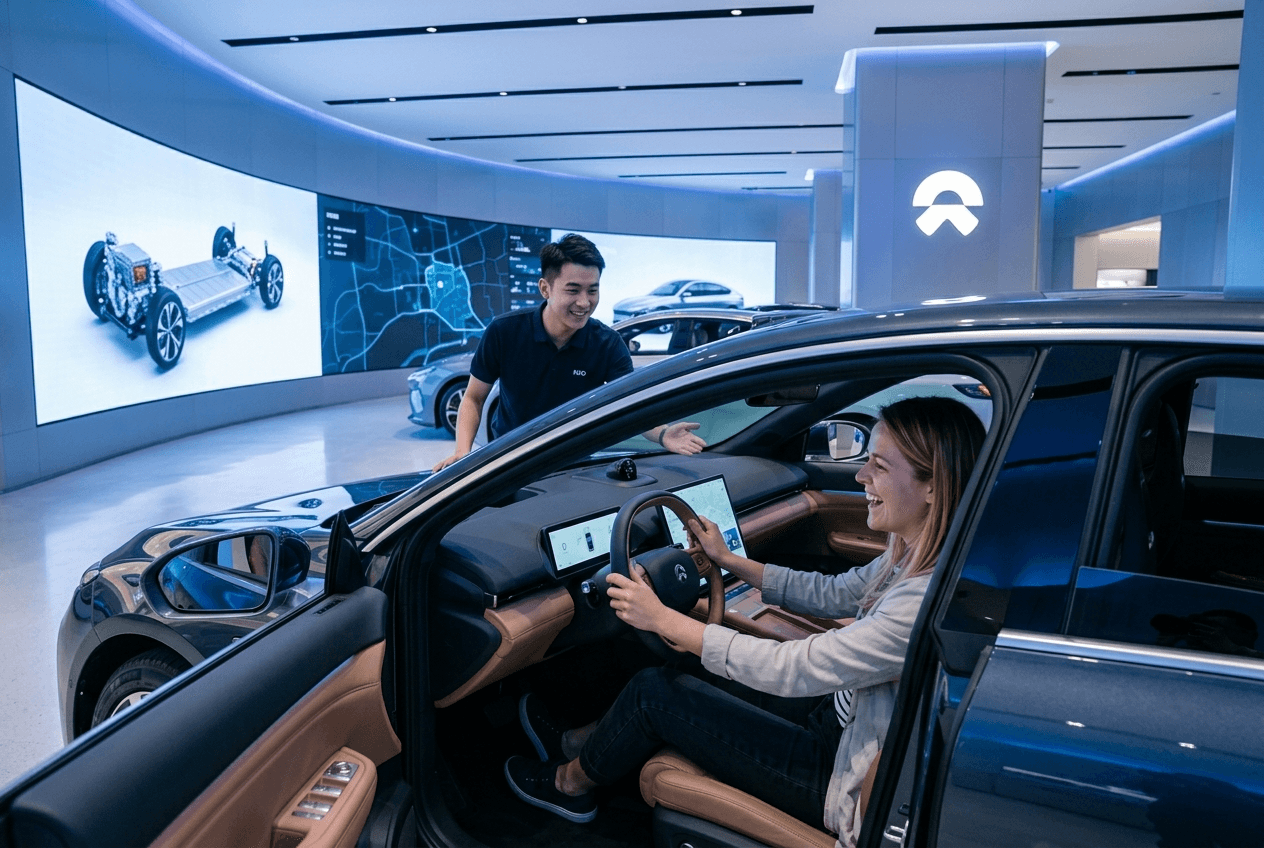
Chinese EV Test Drive
Test drive a BYD, NIO, or Xiaomi SU7 with a local driver.

Dumpling Making Class
Learn to make 饺子 with a local family in their home kitchen — the most loved cultural experience in Beijing.
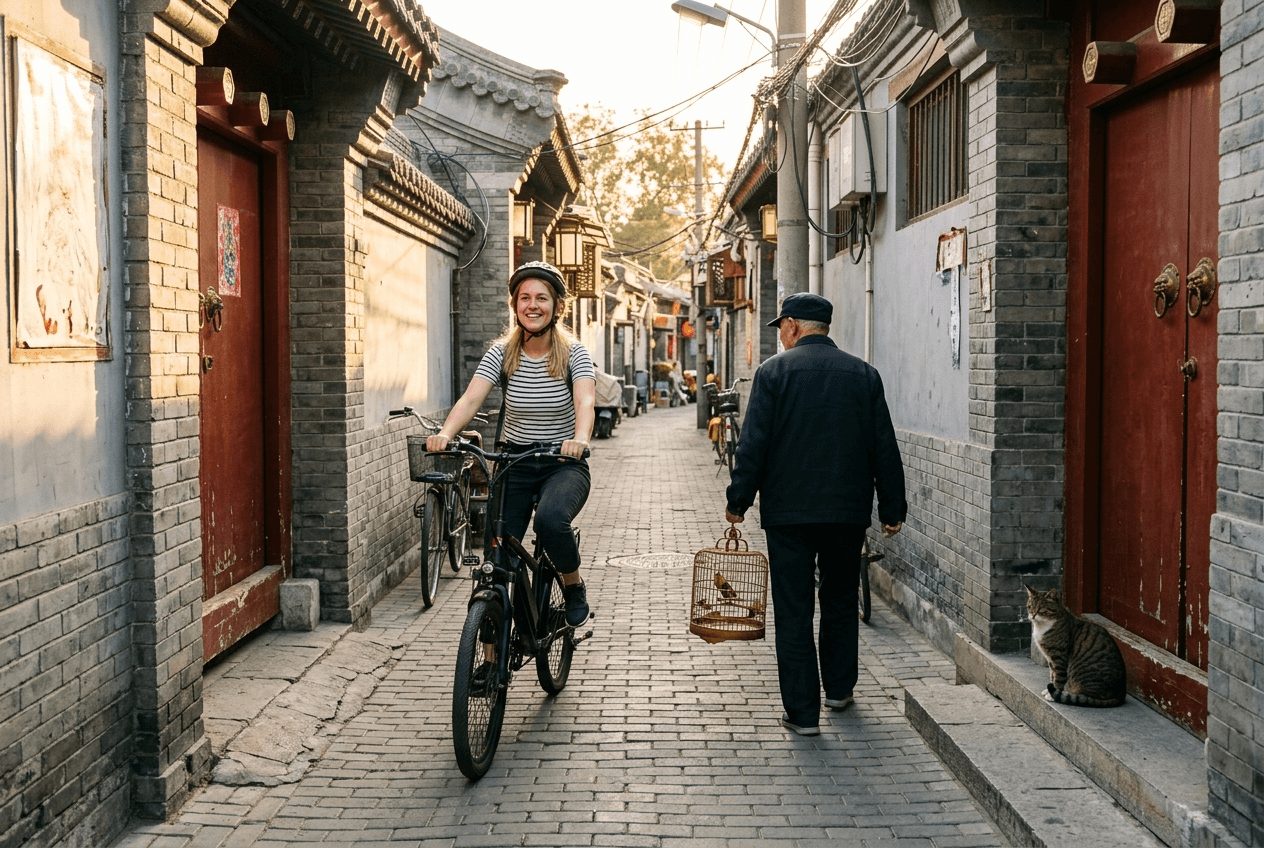
Hutong E-Bike Tour
Cruise ancient alleyways on an e-bike with your local companion — TripAdvisor's top-rated Beijing experience.
Before you fly: every foreign traveler needs a China Arrival Card. If you don't qualify for visa-free entry, see the COVA visa application guide.
Ready to experience Robotaxi & Tech Tour?
A local companion will handle everything — you just show up and enjoy.
Book Now