Dongshan Mansion Citywalk
in Guangzhou, China
Duration
3 hours
Group Size
1–6 people
Best Time
Late morning (10 AM–1 PM) or afternoon (2–5 PM)
What You'll Experience
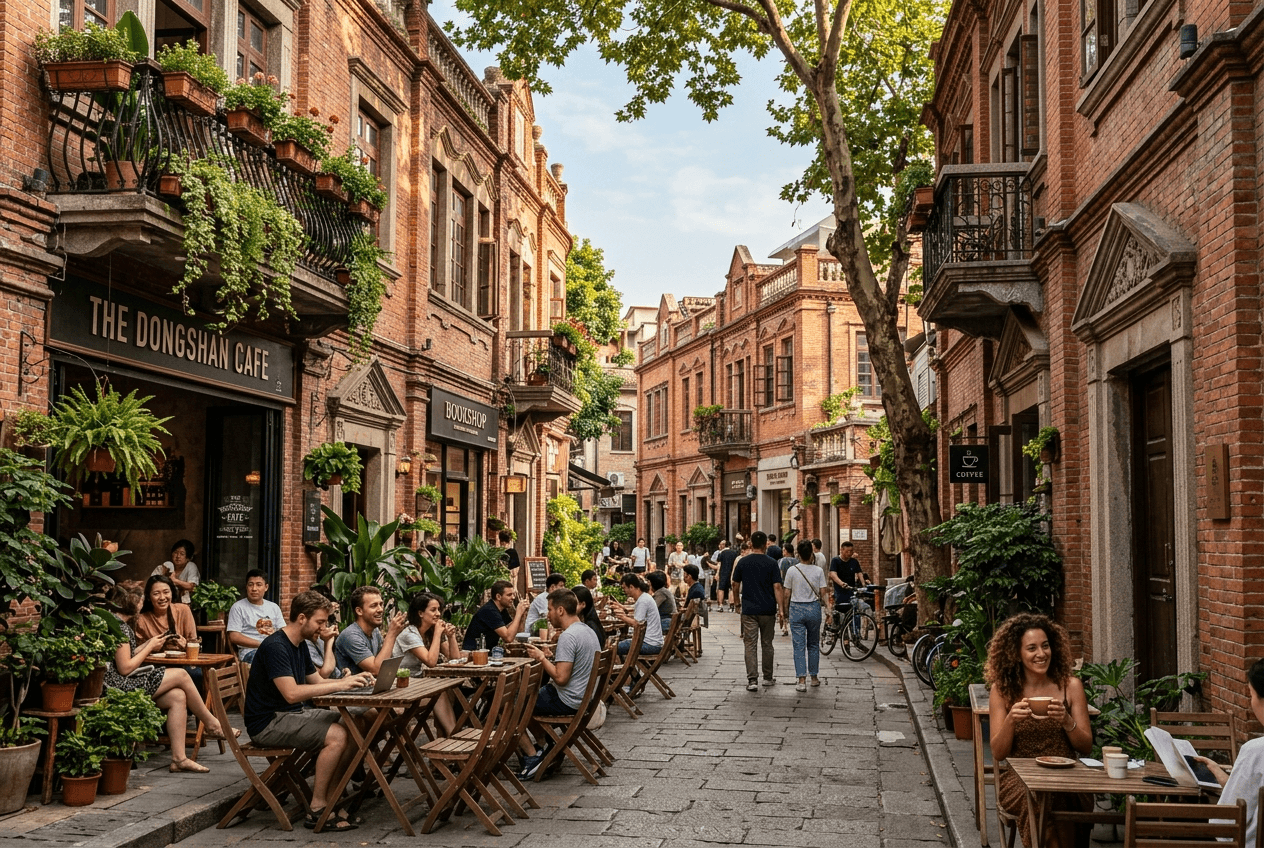
Dongshan's red-brick mansions were built in the 1920s and 30s by Cantonese merchants returning from Southeast Asia with money, ambition, and an aesthetic that combined Spanish colonial arches with Lingnan tile roofs and latticed balconies in a style Guangzhouers call qiaoxiang (overseas Chinese home). The district is now Guangzhou's most self-conscious neighborhood — independent coffee shops in preserved 1930s townhouses, Cantonese vintage dealers alongside Scandinavian furniture boutiques, a bookstore that only stocks books published before 1980. Your companion has been living in Dongshan for a decade and walks you through the layers: the architectural history of the overseas Chinese merchant class, the neighborhood's role in the Republican revolution (Sun Yat-sen moved here in his early years), and the current creative ecology that has made it Guangzhou's most-photographed district without feeling like it's performing for the camera.
Highlights
- Walk the main red-brick mansion street (Miaoqian Jie) and the hidden residential lanes behind it
- Enter a 1920s qiaoxiang mansion converted into an independent coffee shop — with the original floor tiles intact
- Discover the street where Sun Yat-sen's early republican movement organized its meetings
- Explore Dongshan's creative quarter: vintage shops, small-press bookstores, and design studios
- End at a Cantonese bakery in an original 1935 shop house for a warm pineapple bun
What's Included
- Companion as guide throughout
- Coffee or tea at a heritage café
- Warm pineapple bun at a historic bakery
- Printed Dongshan architecture and history map
Meeting Point & Area
Dongshan Kou subway station (Lines 1/6), Exit D. Your companion will be at the plaza near the exit.
Why Book with iGo2China
Dongshan is gentrified enough that tourists walk it on their own — but what they see is surfaces. Your companion provides the social history of the overseas Chinese merchant class, the architectural arguments embedded in every facade, and the contemporary context of a neighborhood that's figuring out what it wants to be. They also know which coffee shop used to be a clan association hall and what that transition says about modern Guangzhou.
Why Dongshan is Guangzhou's most interesting neighborhood
Dongshan's red-brick mansions were built in the 1920s and 30s by Cantonese merchants returning from Southeast Asia with money, ambition, and an aesthetic that fused Spanish colonial arches with Lingnan tile roofs and latticed balconies. Locals call this style qiaoxiang — 'overseas Chinese home.' It exists almost nowhere else in this density.
A century later, the district is Guangzhou's most self-conscious neighborhood. Independent coffee shops occupy preserved 1930s townhouses. Vintage Cantonese dealers operate alongside Scandinavian furniture boutiques. There's a bookstore that only stocks books published before 1980. And it's all happening in buildings that survived the Cultural Revolution, the 1990s redevelopment boom, and the temptation to demolish anything that wasn't profitable. Walking Dongshan with someone who has lived there for a decade is the difference between seeing a heritage zone and understanding a neighborhood.
What you'll see
The 3-hour walk follows roughly 4 km through Dongshan's main qiaoxiang streets and the residential lanes behind them. Highlights typically include Miaoqian Jie (the main red-brick mansion street), a 1920s mansion converted into an independent coffee shop with the original floor tiles intact, the lane where Sun Yat-sen organized early Republican meetings (the building is unmarked but still standing), Dongshan's creative quarter of vintage shops, small-press bookstores, and design studios, and a Cantonese bakery in an original 1935 shop house for a warm pineapple bun at the end.
What's included
From $20 per person, the walk includes your local companion for the full 3 hours, a coffee at the converted-mansion café (your choice of menu item), the pineapple bun at the bakery, and a printed map of the route with annotations of the buildings that don't have visible signage. There are no entrance fees in Dongshan — most of the heritage architecture is exterior, and the interior visits are to commercial businesses that welcome browsing.
Where the walk starts
We meet at Dongshankou subway station (Line 1, Exit B) at the small plaza outside. Your companion is waiting near the bicycle rack. The walk loops back to a different exit of the same station, so the return is straightforward.
Best time of day
Late morning (10 AM–1 PM) is the best window. The cafés are open by 10, the light through the latticed mansion balconies is at its softest, and you finish in time for a Cantonese lunch in the surrounding neighborhood. Afternoon walks (3 PM–6 PM) also work, with the bonus that the bakery's pineapple buns come out of the oven around 3:30.
Best time of year
October through April. Guangzhou summers are humid even by southern Chinese standards, and the walk is essentially outdoors — though the cafés and bookstores along the route give you regular climate-controlled breaks.
Who this is for
Anyone interested in 20th-century Chinese architecture, Republican-era history, the overseas Chinese diaspora, or independent coffee culture. Dongshan also works well for travelers who have already done the major tourist sites in Guangzhou (Pearl River cruise, Shamian Island, Yuexiu Park) and want a more intimate, locally-grounded second day.
What to wear and bring
Comfortable walking shoes — 4 km on sometimes-uneven shop-house paving. A camera; the architecture is the most photographed in Guangzhou for good reason. A bag for any vintage finds you might pick up; the bookstores and design shops along the route reward browsing.
Frequently Asked Questions
How much does the Dongshan citywalk cost?
From $20 per person for a 3-hour walk covering roughly 4 km. Includes companion, coffee at the converted-mansion café, a pineapple bun at the historic bakery, and an annotated route map.
What is qiaoxiang architecture?
Qiaoxiang ('overseas Chinese home') is the architectural style of 1920s–30s Dongshan, built by Cantonese merchants returning from Southeast Asia. It fuses Spanish colonial arches with Lingnan tile roofs and latticed balconies.
Where does the Dongshan citywalk start?
At Dongshankou subway station (Line 1, Exit B), at the small plaza outside. The walk loops back to a nearby exit of the same station.
How long is the Dongshan walk?
About 3 hours covering 4 km, with built-in stops at a 1920s converted-mansion café and a 1935 Cantonese bakery.
Is the Dongshan walk suitable for children?
Yes for ages 8+ who can manage 4 km on foot. The architectural commentary holds adult attention more than children's, but the bakery and café stops break up the walk well.
What's the best time of year for Dongshan?
October through April. Guangzhou summers are humid; the walk is essentially outdoors, though the cafés and bookstores give you climate-controlled breaks along the route.
More Experiences in Guangzhou
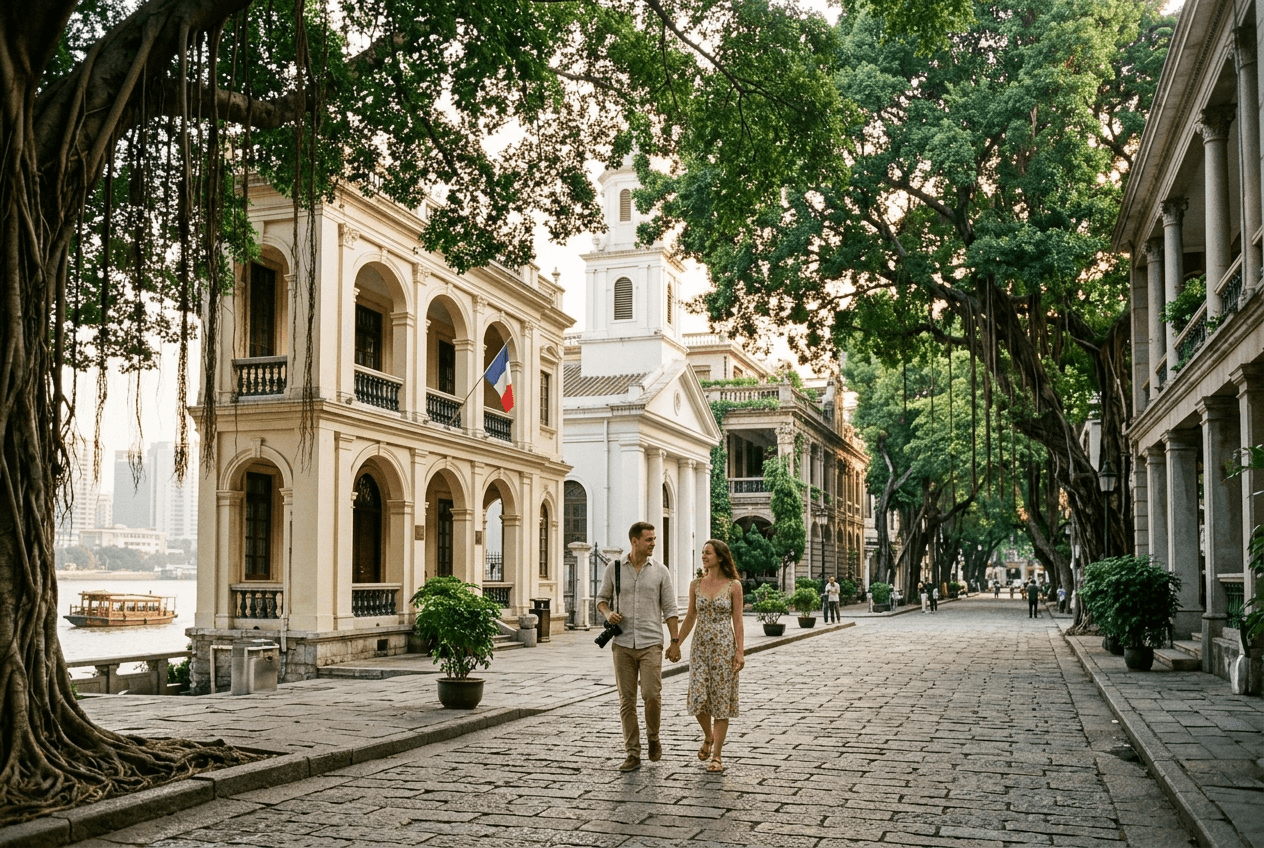
Shamian Island Walk
150 European heritage buildings on a peaceful island — where East met West in old Canton.
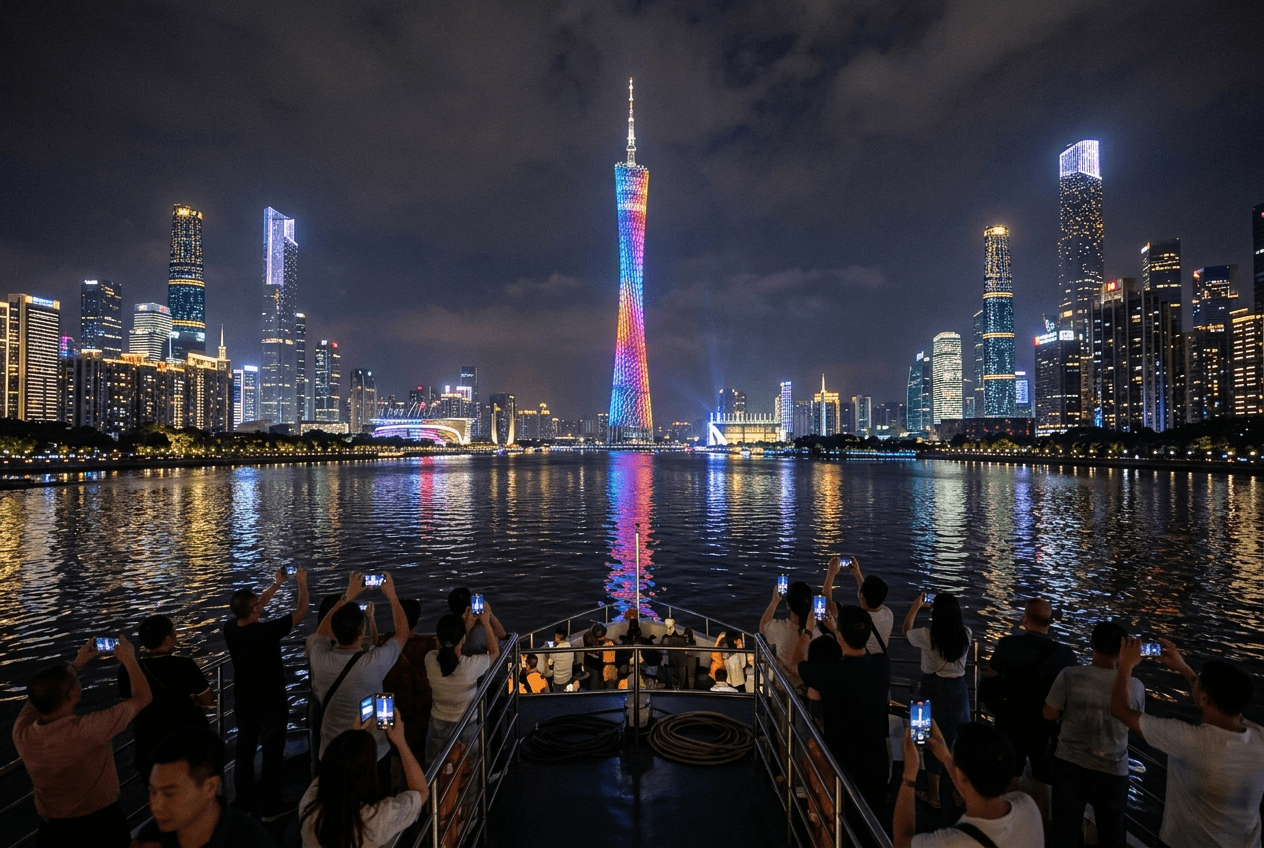
Pearl River Night Cruise
Glide past the illuminated Canton Tower, Haiyin Bridge, and Shamian — Guangzhou's dazzling night skyline.
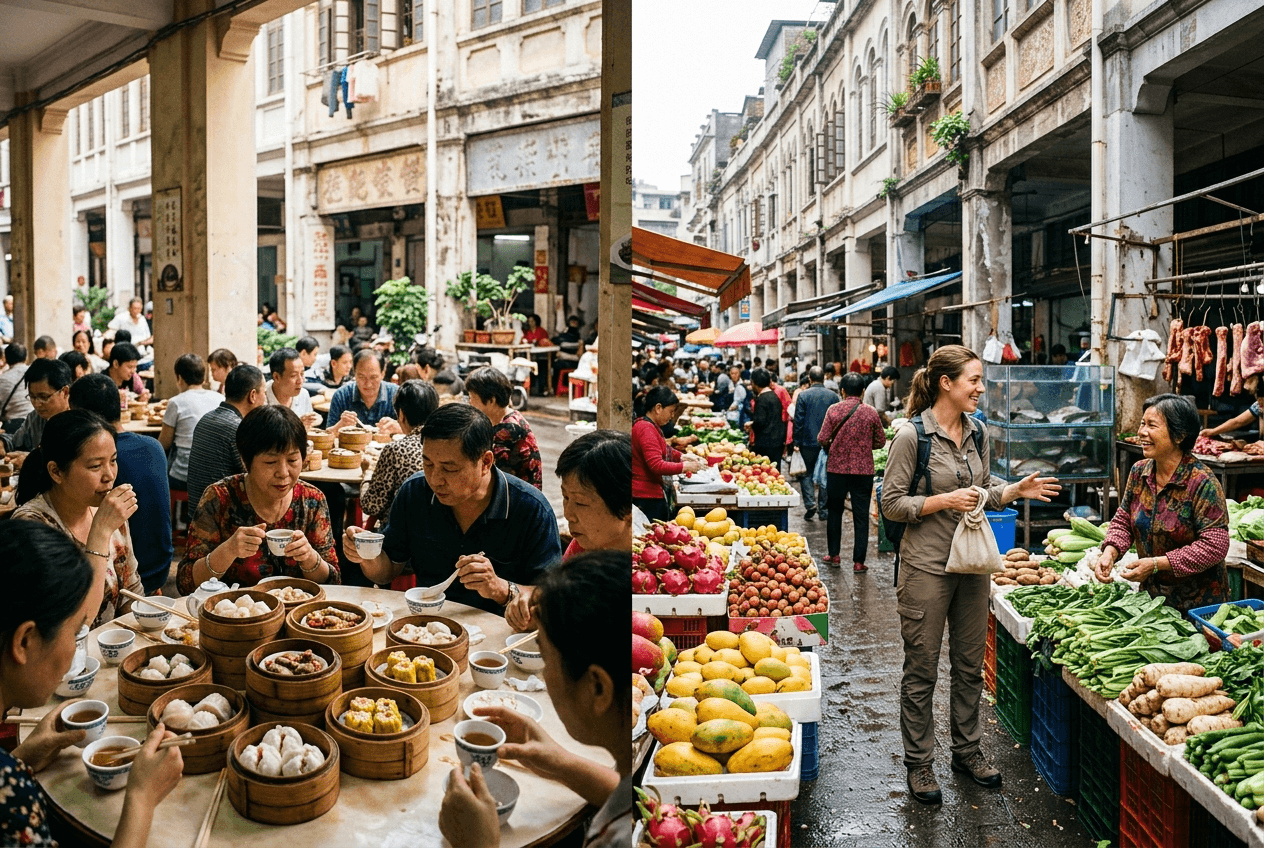
Live Like a Local — Full Day
Dim sum dawn to wok hei midnight: park tai chi, yum cha, old Canton alleys, Dongshan coffee, and charcoal hotpot.
Before you fly: every foreign traveler needs a China Arrival Card. If you don't qualify for visa-free entry, see the COVA visa application guide.
Ready to experience Dongshan Mansion Citywalk?
A local companion will handle everything — you just show up and enjoy.
Book Now